Best Dry Shampoo for Fine Hair (Without Build-Up or Dullness
This article contains affiliate links.
If you have fine hair, dry shampoo can feel like either:
Your best friend or a dusty little liar.
When it works well, it can make fine hair look:
– fresher
– fuller
– cleaner
– more lifted
– far more acceptable for another day
But when it goes wrong?
It can leave your hair feeling:
– dull
– heavy
– rough
– chalky
– sticky
– somehow flatter than before
Which is deeply unhelpful when your whole goal was to look less tragic by day two.
The good news is:
dry shampoo can be brilliant for fine hair — if you choose the right type and use it properly.
In fact, for a lot of fine-haired people, it’s one of the most useful products to have.
The trick is finding one that helps with:
– oil
– lift
– freshness
– volume
without leaving your hair feeling like it’s been dusted in disappointment.
⭐ Best Dry Shampoos for Fine Hair
Quick Pics
Best Overall: Batiste Dry Shampoo Original
Best for: Everyday freshness and quick root lift on fine hair.
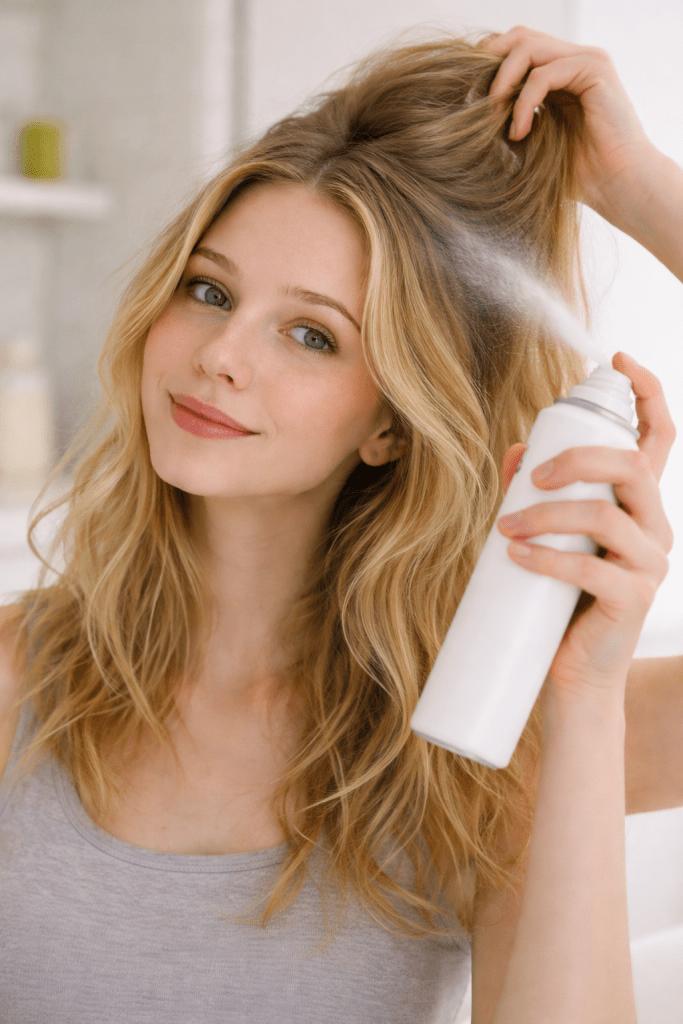
Best for Volume: Living Proof Perfect Hair Day (PhD) Dry Shampoo
Best for: Fine hair that needs both oil control and a volume boost.
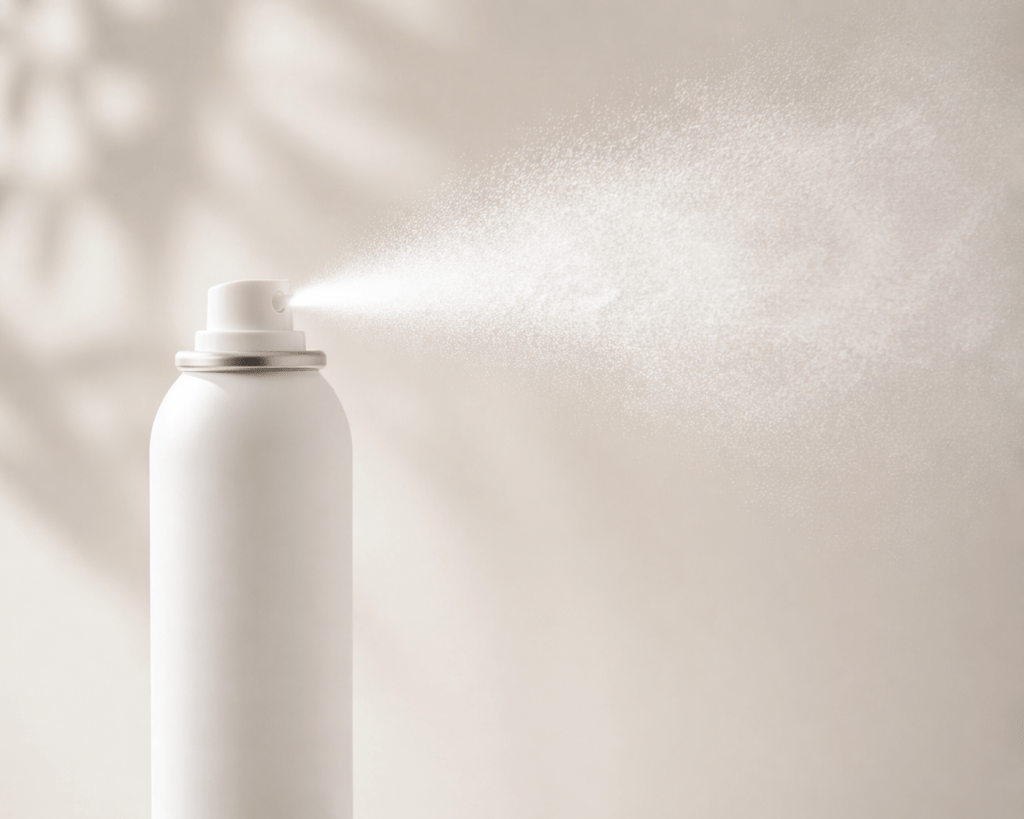
Best Lightweight Option: Moroccanoil Dry Shampoo Light Tones
Best for: Fine hair that gets weighed down easily or feels coated by dry shampoo.
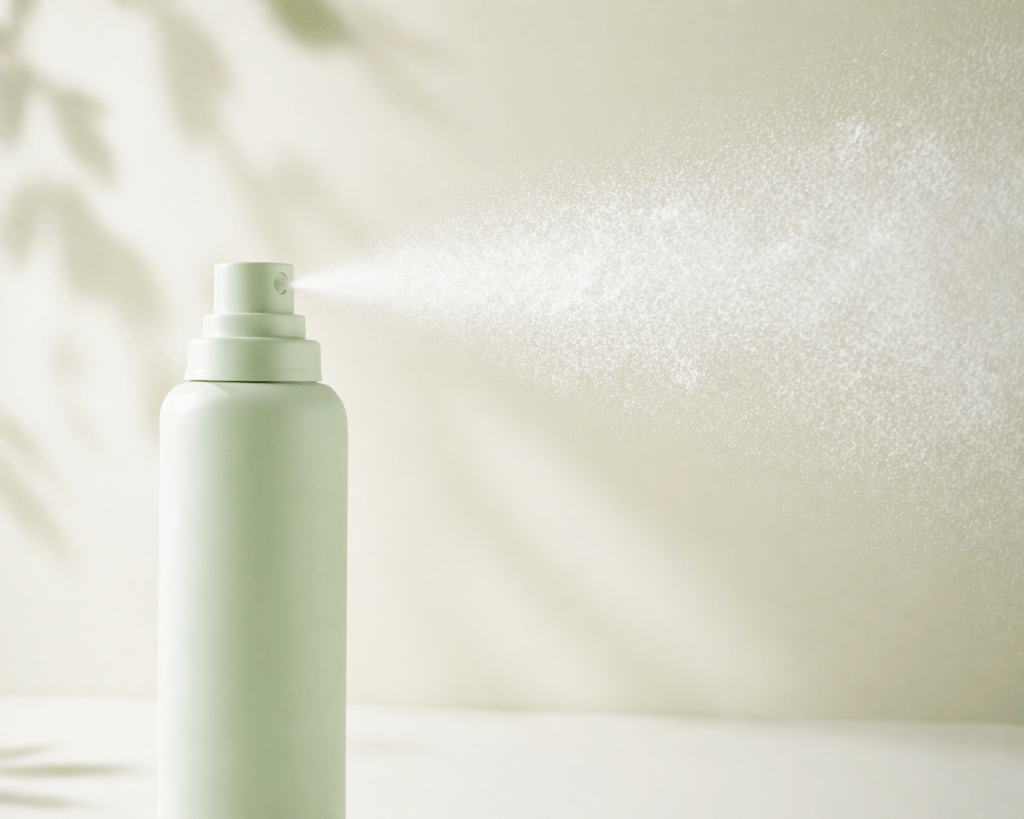
Best for Very Greasy Roots: Klorane Dry Shampoo with Oat Milk
Best for: Hair that goes greasy quickly and needs proper oil control.
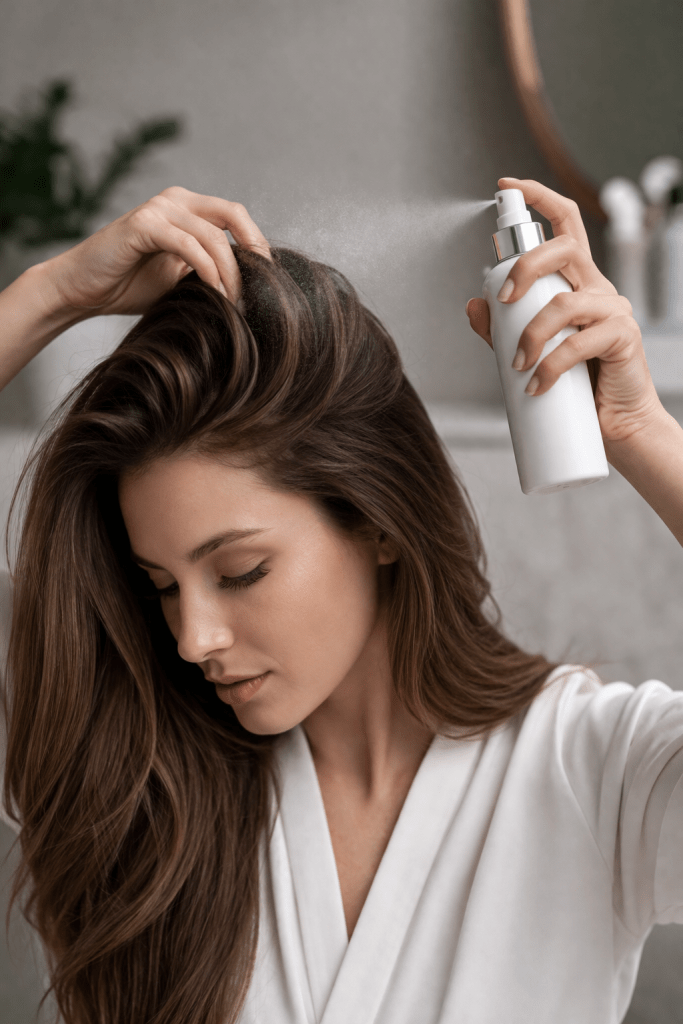
Best Budget Option: L’Oréal Elvive Dream Lengths Air Volume Dry Shampoo
Best for: A budget-friendly refresh between washes.
Why Dry Shampoo Can Work So Well for Fine Hair
Fine hair usually struggles with:
– oily roots
– flatness day-two hair
– roots separating
– quickly losing volume fast
Dry shampoo helps because it can:
Absorb oil and give the roots a bit more support.
That’s exactly what fine hair often needs.
When fine hair gets even slightly oily, it tends to:
– sit flatter
– look stringier
– lose shape
– and feel heavier very quickly
So a good dry shampoo can make a big difference.
Related reads:
Why Does Fine Hair Get Oily Again So Quickly After Washing?
How to Stop Fine Hair Going Flat by Lunchtime
Why Does Fine Hair Look Worse the Day After Washing?
What Makes a Dry Shampoo Good for Fine Hair?
The best dry shampoos for fine hair usually help it feel:
– fresher
– cleaner
– lighter
– fuller
– and more lifted
without leaving it:
– chalky
– sticky
– coated
– stiff or dull
That balance matters a lot.
Because fine hair usually doesn’t need loads of product.
It just needs:
a bit of help in the right places.
Best Types of Dry Shampoo for Fine Hair
These are usually the best options.
1) Lightweight oil-absorbing dry shampoos
This is usually the safest place to start.
A good lightweight dry shampoo can help:
– absorb oil at the roots
– refresh the hair
– add a bit of lift
– make your style last longer
Without making the hair feel too overloaded.
This is ideal if your fine hair tends to get:
– oily quickly
– flat at the roots
– or a bit limp by day two
2) Volumising dry shampoos
These are brilliant for fine hair when they work well.
Because instead of just helping with oil, they can also help with:
– body
– lift
– root support
– making the hair feel less flat
This is especially useful if your hair tends to go from:
“clean and decent”
to
“sad and scalp-adjacent”
in a very short amount of time.
3) Fine-mist dry shampoos
These often work really well on fine hair because they’re easier to apply lightly and evenly.
That matters more than people think.
A fine mist usually means:
– less heavy patches
– less white residue
– less buildup
– a more natural result
Which is ideal for fine hair.
4) Invisible or low-residue dry shampoos
These are often a great option if your fine hair tends to look:
– dull
– dusty
– or rough
after using dry shampoo.
One of the biggest complaints with dry shampoo on fine hair is:
“it technically helps… but my hair looks a bit dead.”
So if that sounds familiar, a lower-residue formula is often a much better fit.
What to Avoid in Dry Shampoo for Fine Hair
Not all dry shampoos are fine-hair friendly.
You may want to be careful with ones that leave your hair feeling:
– very powdery
– sticky
– gritty
– overly textured
– heavily coated
Because these can make fine hair feel:
– rough
– tangled
– dull
– harder to brush or restyle
Which defeats the point.
You want:
freshness + lift
—not “dry shampoo hair” as a separate personality.
How to Use Dry Shampoo on Fine Hair Properly
This is where a lot of people accidentally make it worse.
Even a good dry shampoo can feel awful if it’s used badly.
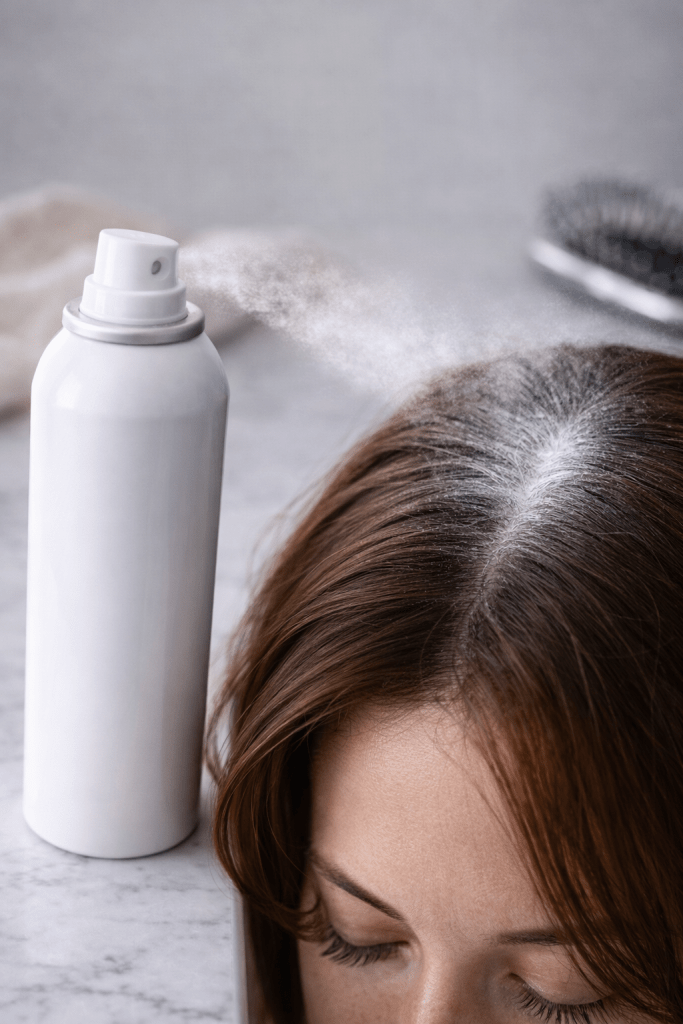
Best way to use dry shampoo on fine hair
1) Use it before your hair gets really greasy
This is one of the biggest fine-hair tricks.
Dry shampoo often works best when used:
before the roots fully collapse
rather than once your hair is already oily and sad.
This usually gives a much better result.
It helps:
– absorb oil earlier
– hold shape longer
– keep the roots looking fresher for more of the day
This is especially helpful for:
day-two hair fine hair that goes flat fast or hair that separates easily at the front
2) Focus mainly on the roots
Dry shampoo is usually most useful on:
– crown parting
– front hairline
– top layers
That’s where fine hair usually needs the most help.
You usually do not need to spray loads through the ends.
That often just makes fine hair feel:
– rougher
– drier
– harder to manage
3) Use less than you think
This is one of the biggest rules for fine hair.
Too much dry shampoo usually backfires.
It can leave your hair feeling:
– dull
– overloaded
– stiff
– chalky
– somehow dirtier again later in the day
Start with small amounts you can always add more if needed.
4) Let it sit for a minute
This makes a difference.
If you spray and immediately start attacking your hair with your hands, you often don’t give it time to actually absorb anything.
Let it sit briefly first.
Then:
lift roots & gently massage lightly if needed and leave the rest alone
5) Don’t use it as a replacement for washing forever
Dry shampoo is useful.
Very useful.
But it is not:
a permanent substitute for shampoo and emotional stability
If your roots feel:
– coated
– heavy
– sticky
– increasingly uncooperative
it’s probably time for a proper wash.
As too much dry shampoo buildup can make fine hair feel:
– worse
– flatter
– rougher
– harder to style
Related read:
Best Shampoo for Fine Hair That Gets Greasy Quickly
Signs Your Dry Shampoo Is Too Heavy for Fine Hair
Your dry shampoo may not be right for your fine hair if it leaves it feeling:
– chalky
– rough
– sticky
– dull
– hard to brush through
– flatter later in the day
If that happens, it usually means:
you need a lighter or cleaner formula
—not necessarily that dry shampoo itself is wrong for your hair.
Signs It’s Actually Working
A good dry shampoo for fine hair should leave it feeling:
– fresher
– cleaner-looking
– slightly fuller
– lighter at the roots
– easier to style and more
That’s the sweet spot.
Not crispy.
Not dusty.
Not grey.
Just:
-better day-two hair.
Who Dry Shampoo Works Best For (Fine Hair)
Dry shampoo is usually especially useful if your fine hair tends to be:
– oily at the roots
– flat by lunchtime
– stringy on day two
– quick to lose shape
– generally a bit high maintenance between washes
If that sounds like your hair, dry shampoo is absolutely worth having in your routine.
Final Thoughts
If you want something that actually works without the chalky, heavy feel, these are the dry shampoos we recommend:
Best shampoo for fine hair that gets greasy quickly
Why does fine hair get oily again so quickly after washing?
The best dry shampoo for fine hair is usually one that gives you:
Freshness, lift and oil control without leaving your hair feeling:
– dusty
– heavy
– coated
That’s what fine hair usually responds to best.
Once you find the right one, it can make a huge difference to:
– day-two hair volume and how decent your hair still looks between washes
Which frankly one of the small joys that actually makes a difference day to day.

