Why Does Fine Hair Get Frizzy So Easily? (And How to Smooth It Without Flattening It)
This article contains affiliate links.
Why Does Fine Hair Get Frizzy So Easily?
If you have fine hair, you might expect it to be smooth all the time —
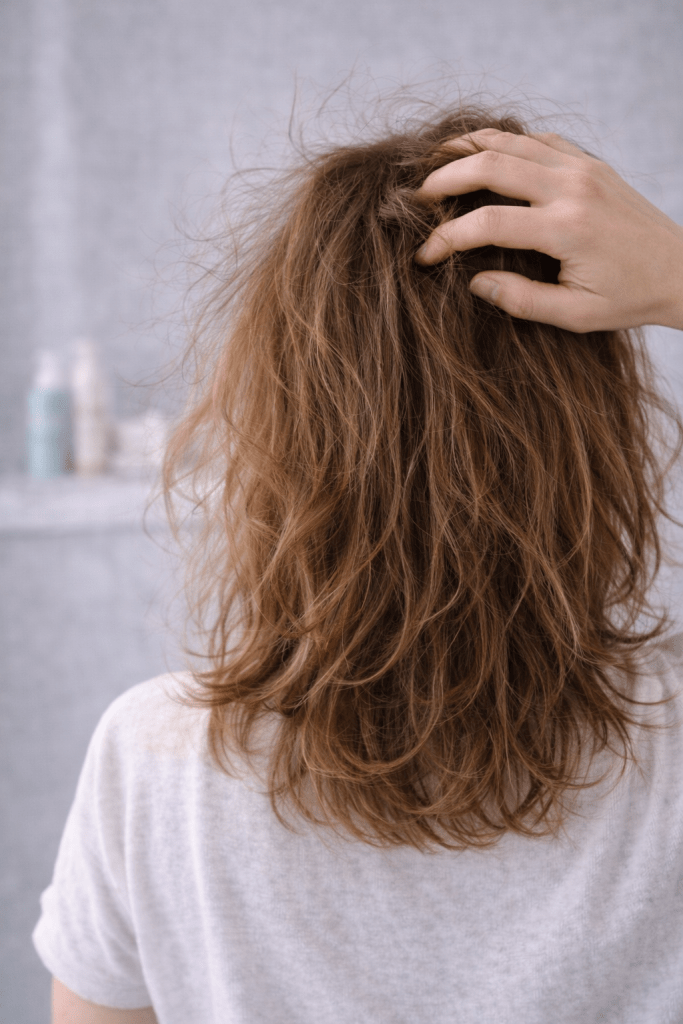
but instead, it often turns frizzy, fluffy, or flyaway.
You can straighten it… style it… smooth it…
👉 and still end up with little bits sticking out everywhere.
The reason is simple:
Fine hair is more delicate and reactive, which makes it more prone to frizz — especially in the wrong conditions.
💡 What Causes Frizz in Fine Hair?
Frizz usually happens when the outer layer of the hair (the cuticle) lifts.
For fine hair, this can happen more easily because:
– the strands are more delicate
– the hair reacts faster to humidity
– it’s more affected by heat and friction
– it lacks weight to hold itself down
So instead of lying smooth, fine hair often lifts and separates.
⚠️ 1. Over-Drying the Hair
One of the biggest causes of frizz in fine hair is dryness.
Even if your roots get oily, your lengths can still be dry.
Dry hair tends to:
– feel rough
– look fluffy
– lose smoothness
– react more to humidity
👉 This is why fine hair can feel both greasy and frizzy at the same time.
🧴 2. Using the Wrong Products
Fine hair needs a balance.
Too heavy = flat
Too light / drying = frizzy
Frizz often happens when:
– products are too harsh
– there’s not enough lightweight moisture
– smoothing products are avoided completely
👉 If you’re unsure what works, read:
Best Products for Fine Hair That Gets Greasy Quickly
💨 3. Heat Styling Without Protection
Fine hair is more sensitive to heat.
Without protection, heat styling can damage the surface of the hair, making it:
– rougher
– weaker
– more prone to frizz
This often shows up as little flyaways that won’t sit down.
🛏️ 4. Friction from Sleep and Daily Movement
Fine hair picks up friction easily from:
– pillowcases
– clothing
– brushing
– movement throughout the day
This can cause the hair to lift and separate, especially around the top layers.
👉 This article may help too:
How to Sleep Without Flattening Fine Hair
🪮 5. Over-Brushing Can Make Frizz Worse
Brushing fine hair too much — especially when dry — can create more frizz.
This happens because brushing:
separates the strands lifts the cuticle removes natural smoothness
👉 If your hair tangles a lot too, read:
Why Is My Fine Hair So Tangled?
🌿 6. Fine Hair Needs Lightweight Smoothing — Not Heavy Oils
A common mistake is either:
using no smoothing products at all or using heavy oils that flatten the hair
Fine hair usually works best with:
– lightweight serums
– minimal smoothing products applied only where needed
The goal is to smooth the surface without collapsing the volume.
💨 7. Frizz Often Looks Worse When Hair Is Flat
Flat hair and frizzy hair often go together.
When fine hair sits flat, it tends to:
– separate more
– show uneven texture
– look more frizzy overall
Adding a bit of lift can actually reduce the appearance of frizz.
👉 You might also find this helpful:
How to Add Volume to Fine Hair
⚠️ Signs Your Fine Hair Is Prone to Frizz
If your hair:
– has flyaways around the top
– looks fluffy instead of smooth
– reacts to humidity quickly
– won’t stay sleek after styling
👉 it’s likely dealing with surface dryness or damage.
🔗 Related Articles
You might also find these helpful:
How to Make Fine Hair Look Thicker Without Extensions
✨ Final Thought
Fine hair gets frizzy easily because it’s delicate —
but that doesn’t mean it has to stay that way.
With the right balance of:
– lightweight moisture
– gentle handling
– smart styling
…fine hair can look smooth, soft, and controlled without losing its volume.

